Travel trailer vs. campervan: two mobile options, two nomadic travel experiences. How do you make the right choice in 2026?
Nomad travel has been steadily growing in popularity for several years. By 2026, alternatives to traditional accommodations will have multiplied and will appeal to a wide range of people, from couples seeking freedom to remote workers. Given this trend, one question comes up frequently: should you buy a pop-up camper or rent a converted van for your getaways and vacations?
Comparing a campervan to a motorhome isn’t just about contrasting two sizes. It’s about evaluating two approaches to mobility, two business models, and two ways of living in a vehicle while on the road. The decision depends as much on how often you’ll use it as it does on your priorities regarding freedom, comfort, and cost.
What are the key differences between a pop-up camper and a camper van?
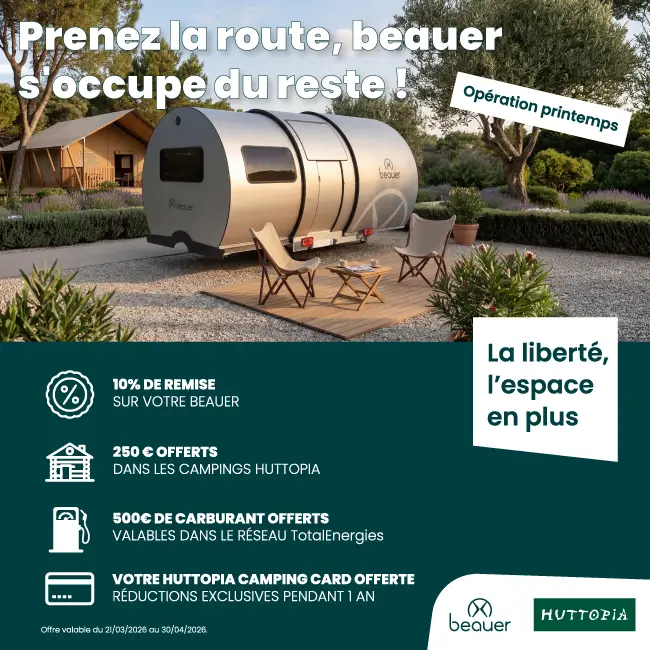
The first difference lies in the vehicle’s very structure. A camper van is a motorhome with living quarters built directly into the vehicle. Everything is integrated into a single unit: the engine, the driver’s compartment, and the sleeping area. A pop-up trailer, on the other hand, is a trailer towed by a separate vehicle. Once you arrive at your destination, it unfolds to provide an optimized living space.
This structural difference profoundly changes the experience. With a van, every trip requires folding up the entire living space. With a pop-up trailer, you can unhitch the tow vehicle and leave your living quarters set up where you are. For a trip lasting several days, this separation offers significant flexibility.
When it comes to space, the comparison deserves to be qualified. A camper van remains limited by its permanent road dimensions. The interior space is optimized but constrained. An expandable trailer, once unfolded, provides a more structured layout, with a clearer separation between sleeping, dining, and living areas. The comfort isn’t that of a residential home, but it often exceeds that of a compact van.
From a regulatory standpoint, a camper van is subject to the same requirements as a standard motor vehicle: mechanical maintenance, periodic vehicle inspections, and specific auto insurance. A pop-up trailer is subject to towing regulations, as outlined in the Highway Code as of February 25, 2026, particularly regarding the gross vehicle weight rating and the required driver’s license categories (B, B96, or BE) depending on the configuration.
Is renting a van a better option than buying a trailer?
Renting a camper van has one clear advantage: there’s no long-term commitment. Whether you’re planning a one-time trip or want to try out the experience, renting is a simple solution. There’s no need to worry about storage or maintenance throughout the year. The cost is limited to a specific period.
However, this approach has its limitations. Rental rates during peak season can be high, especially for newer, well-equipped vehicles. On top of that, there are specific insurance requirements, substantial security deposits, and sometimes mileage restrictions. For users who travel several times a year, the recurring nature of these costs can quickly exceed what is considered acceptable.
Buying a slide-out trailer changes the whole picture. The initial investment is higher, but it opens up the possibility of unlimited use over time. Extended weekends, off-season vacations, spontaneous trips: how often you use it becomes a key factor in the overall cost-effectiveness.
In 2026, the ideal mobile solution will therefore depend on how often you travel. For a single trip a year, renting a van may still be a sensible option. For regular getaways, buying a camper becomes a more practical choice.
How do you choose between a pop-up trailer and a camper van for a sustainable nomadic trip?
The decision is based primarily on three criteria: frequency of use, desired level of comfort, and mobility philosophy.
If the goal is to travel frequently, maintain a fixed base during trips, and enjoy a more structured living space, the expandable caravan is a particularly well-suited mobile solution for 2026. It allows you to separate transportation from living quarters, optimize space at each stop, and align with a sustainable investment approach.
If, on the other hand, your priorities are maximum compactness, integrated driving dynamics, and absolute responsiveness without the need for a trailer hitch, a converted van might be the right choice. It offers a more minimalist, road-oriented design, but also comes with more space constraints.
Personal growth is also a factor to consider. An expandable trailer can adapt to various needs over the years: vacations, occasional remote work, temporary housing on private property, or even professional use. This versatility makes it a worthwhile investment in the long run.
Ultimately, nomadic travel is about more than just a vehicle. It’s a lifestyle choice. A pop-up trailer prioritizes flexibility and temporary stability, while a camper van prioritizes the freedom to keep moving. Each meets a different need.
Ultimately, there’s no clear-cut answer to whether you should buy a camper or rent a campervan. It’s about aligning your choice with your travel style, your medium-term plans, and your vision of freedom. By 2026, mobile travel options will have diversified. The key is to choose the one that truly fits your needs, rather than an idealized image of nomadic travel.